Top Guidelines for Asme Pressure Vessel Design and Safety Standards?
Asme Pressure Vessel design is crucial for ensuring safety in various industries. Pressure vessels are essential in storing gases and liquids under high pressure. A failure in these systems can lead to catastrophic consequences, including explosions and environmental hazards. Understanding Asme standards can significantly enhance safety and reliability.
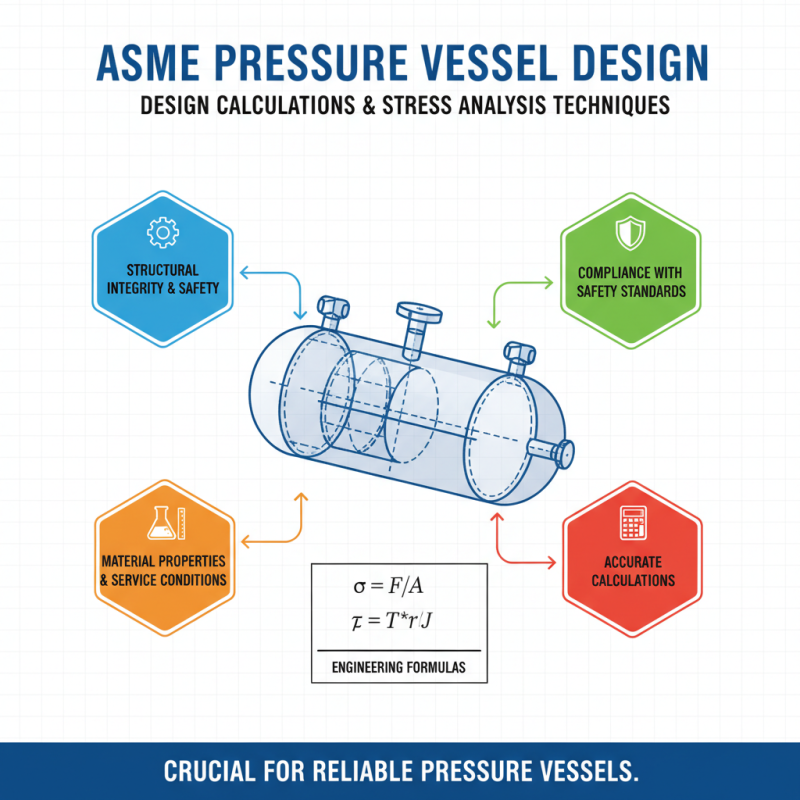
Designing pressure vessels involves meticulous calculations and adherence to specific guidelines. The Asme standards provide a comprehensive framework that covers materials, design, construction, and testing of these vessels. Compliance with these standards not only protects the user but also assures regulatory bodies and stakeholders of safe operations.
However, even with strict guidelines, oversights can occur. Designers must remain vigilant about evolving standards and incorporate lessons learned from past failures. Continuous training and reviews are vital for improving safety measures. While Asme Pressure Vessel standards are robust, there is always room for enhancement and adaptation to new challenges in the field.
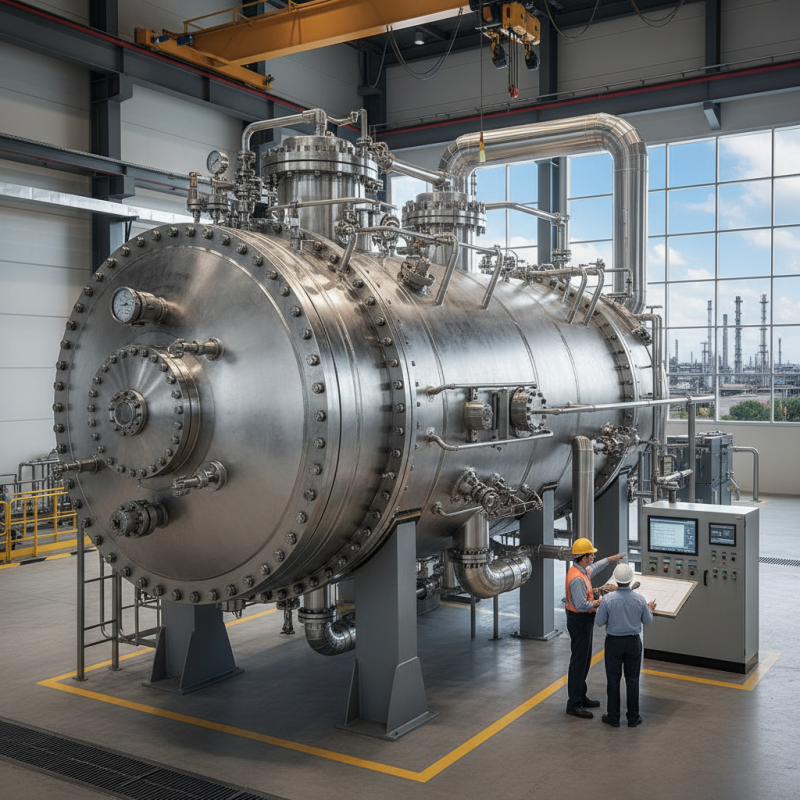
Overview of ASME Pressure Vessel Design Standards
ASME (American Society of Mechanical Engineers) provides crucial standards for pressure vessel design. These standards ensure safety and reliability in industries like oil and gas, chemical processing, and food production. According to recent industry analyses, approximately 70% of pressure vessel failures stem from design flaws. Thus, adherence to ASME standards is not just important, but necessary.
Understanding these standards involves comprehensive knowledge of material selection, stress analysis, and design verification. For instance, ASME Section VIII outlines the requirements for pressure vessels. It includes guidelines on material compatibility, weld durability, and pressure testing. In fact, materials undergo rigorous testing to withstand high temperatures and pressures. Recent reports indicate that about 30% of projects face delays due to non-compliance with these standards.
One area for improvement remains the education of engineers and designers about these guidelines. The complexity of ASME standards can challenge even experienced professionals. Ongoing training and certification are essential. A survey from a renowned engineering institution revealed that nearly 60% of engineers feel underprepared for compliance with complex regulations. This gap highlights the need for continuous learning and application of best practices in pressure vessel design.
Key Safety Codes for Pressure Vessel Fabrication and Inspection
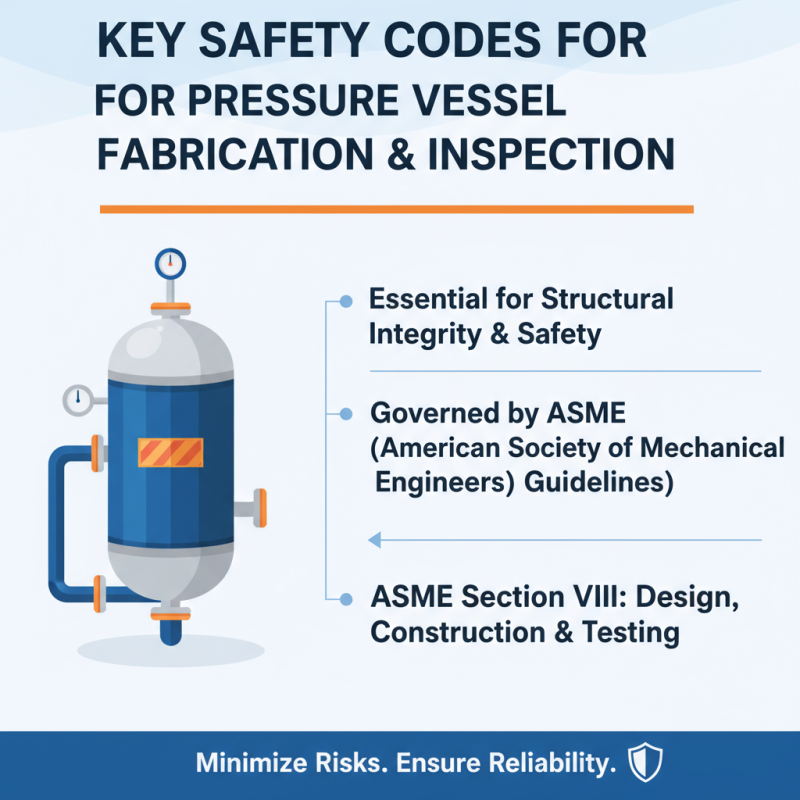
When it comes to pressure vessel fabrication and inspection, adhering to established safety codes is essential. The American Society of Mechanical Engineers (ASME) sets forth guidelines that ensure structural integrity and safety. Key codes like ASME Section VIII provide comprehensive criteria for design, construction, and testing. Following these codes minimizes risks associated with pressure vessels.
Tips for compliance: Always keep documentation up to date. This includes design calculations and inspection reports. Regularly review and refresh knowledge of the ASME guidelines. Collaborating with certified inspectors can enhance safety measures.
Remember, not all pressure vessels are created equal. Design flaws can lead to significant failures. Routine inspections are critical, but they can be overlooked in busy environments. Consider adopting a proactive inspection schedule.
Effective training for all personnel is important. Ensure everyone understands safety protocols. Offering workshops can help reinforce the importance of adhering to safety standards. This approach helps cultivate a safety-first culture in your organization.
Materials Selection Criteria for Pressure Vessel Construction
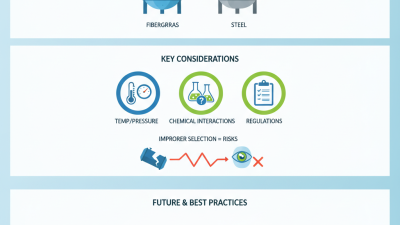
When selecting materials for pressure vessel construction, the criteria are critical. The primary consideration is the pressure and temperature the vessel will endure. High-strength alloys often provide the necessary durability. However, these materials can be costlier and harder to work with. Thus, engineers must find a balance between performance and feasibility.
Corrosion resistance is another key factor. Environments like chemical plants expose vessels to harsh conditions. Stainless steels, for instance, offer good resistance but might not withstand extreme pressure. In such cases, coated materials could provide a viable alternative. Understanding the specific environment is essential for making informed choices.
A material's weldability plays a significant role in long-term reliability. Complicated weld processes can lead to weak points in the vessel. Furthermore, fatigue resistance is vital for vessels under cyclic loading. Engineers must consider these aspects thoroughly. Overlooking them can result in costly failures down the line. Each choice carries potential risks, and careful evaluation is necessary to ensure the vessel's integrity and safety.
Regulatory Compliance and Certification Processes for Pressure Vessels
When it comes to pressure vessels, regulatory compliance is crucial. In the United States, the ASME Boiler and Pressure Vessel Code (BPVC) governs the safety standards. This code forces manufacturers to ensure their vessels meet stringent guidelines. According to the National Board of Boiler and Pressure Vessel Inspectors, about 95% of all pressure vessels are required to meet ASME standards. Inadequate adherence to these rules can lead to catastrophic failures.
Certification processes vary depending on the vessel's intended use. Typically, a pre-certification assessment identifies potential risks. Engineers analyze materials, design, and performance. The ASME certification process often includes rigorous testing. For example, non-destructive testing (NDT) is frequently employed to detect imperfections. It’s vital for manufacturers to engage with authorized inspectors to ensure compliance from the design phase through to fabrication.
Maintaining compliance is an ongoing challenge. The industry often faces issues with outdated designs or materials that do not comply with modern standards. Additionally, some manufacturers struggle with documentation and traceability. These gaps can undermine the reliability of pressure vessels. Regular audits and inspections can catch these issues. However, reliance on these measures can sometimes lead to complacency, as not all non-compliance issues are evident immediately.
Top Guidelines for Asme Pressure Vessel Design and Safety Standards
| Guideline |
Description |
Compliance Level |
Certification Process |
| Material Selection |
Selecting appropriate materials that meet strength and corrosion resistance requirements. |
Mandatory |
Review by designated materials engineer. |
| Design Calculations |
Comprehensive calculations to ensure pressure vessel can withstand operational conditions. |
Mandatory |
Submission of calculations to regulatory authority for approval. |
| Welding Procedures |
Development and validation of welding techniques to ensure integrity of joints. |
Mandatory |
Welding procedure specification must be certified. |
| Pressure Testing |
Conducting pressure tests to verify vessel integrity before operation. |
Mandatory |
Test results submitted for validation. |
| Documentation |
Keeping thorough records of design, manufacture, and testing processes. |
Essential |
Documentation must be made available for inspection. |