How to Source Ammonium Tower for Your Industrial Needs?
In today's industrial landscape, sourcing the right equipment is crucial. The Ammonium Tower stands out as a key component for various processes. This specialized equipment is designed to facilitate the efficient absorption of ammonia in different applications. Businesses across the chemical and pharmaceutical sectors depend on it.
Understanding how to source an Ammonium Tower requires careful consideration. The quality of the tower directly affects productivity and safety. It is essential to choose suppliers with a proven track record. Exploring options like customization and service support can enhance the overall experience.
However, not all sources will meet your specific needs. Some may offer subpar products while others might lack essential documentation. It's important to conduct thorough research. Engaging with experts can provide valuable insights and avoid common pitfalls. Remember, the right Ammonium Tower can make a significant difference in operational efficiency.
Understanding the Ammonium Tower: Its Role in Industrial Applications
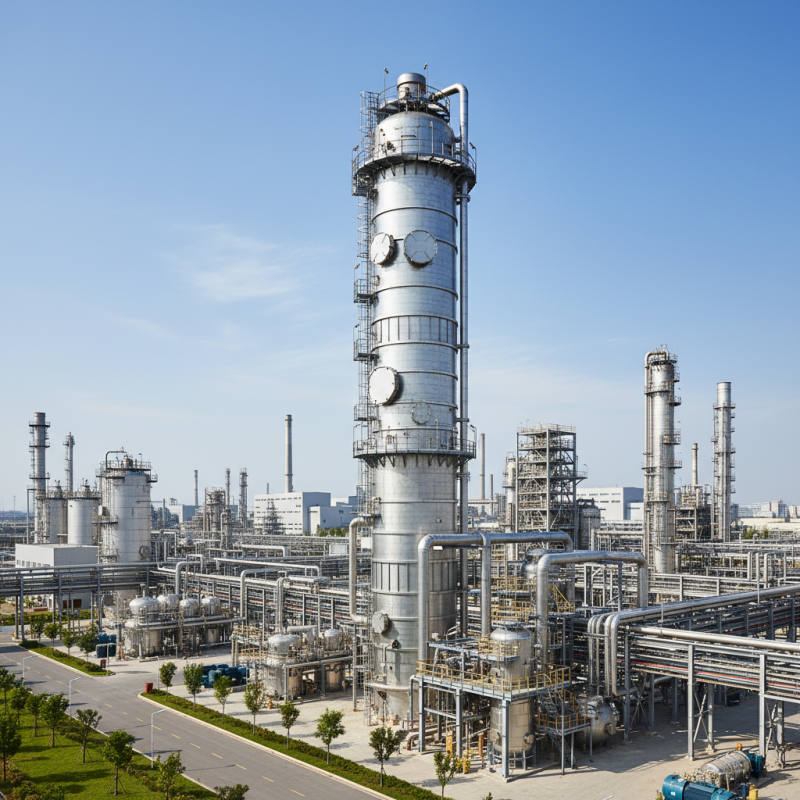
The ammonium tower serves a vital function in industrial applications.
It facilitates the absorption of ammonia gas into a liquid, creating ammonium.
This process is crucial in industries like agriculture and pharmaceuticals.
The design of an ammonium tower maximizes the interaction between gas and liquid phases, ensuring efficient processing.
Efficient operation relies on specific parameters. Temperature
and pressure control are critical. Even small variations can affect the absorption rate.
Operators must monitor these closely. Proper maintenance of the tower is equally important.
Clogs can lead to inefficiencies and increased costs. Regular checks can help avoid downtime.
Understanding the challenges in sourcing an ammonium tower is essential. The market can be overwhelming.
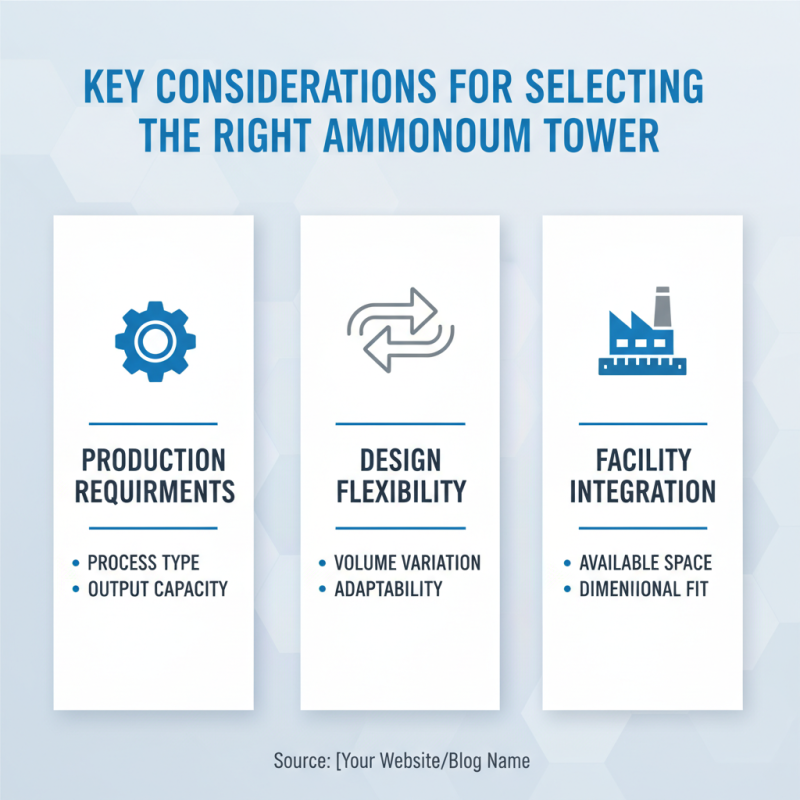
Various designs and capacities meet different needs. Evaluating the specific requirements for your application is crucial.
The right tower can greatly impact productivity and sustainability.
Familiarity with operational parameters and potential pitfalls leads to better decision-making.
Evaluating the Quality and Purity Standards of Ammonium Production
When sourcing ammonium towers, evaluating the quality and purity standards is crucial. High-quality ammonium production requires adherence to stringent industry norms. The Global Industry Analysts report indicates that purity levels of at least 99% are essential for most applications. This ensures efficiency and safety in various industrial processes.
Ammonium sourced from reliable suppliers often meets standards set by organizations like ASTM International. These standards help in assessing the chemical composition and contaminants present. However, discrepancies can arise. Some producers may prioritize quantity over quality, leading to variations in purity. A recent study found that 15% of sampled ammonium products failed to meet required purity benchmarks. Such variations can impact downstream processes significantly.
Testing for impurities isn't just a formality; it’s a necessity. The presence of trace contaminants can lead to costly failures or even safety hazards. Buyers should consider conducting third-party analyses to confirm the quality and purity of ammonium. By doing so, companies can mitigate risks and ensure they are sourcing reliable materials.
Quality and Purity Standards of Ammonium Production
This chart illustrates the evaluated quality and purity standards of ammonium production across various industrial sources, focusing on parameters such as purity percentage and production output.
Cost Analysis: Factors Influencing the Price of Ammonium Towers
When sourcing an ammonium tower, understanding the cost factors is crucial. Prices can vary widely based on size, materials, and design complexity. Manufacturers often consider market demand and supply chain fluctuations, which can impact pricing significantly. Additionally, installation costs can also add to the total expenditure.
Tips: Always get multiple quotes. This can help you gauge an average price. It’s also wise to understand the specific requirements of your industry. Consulting with experts can reveal hidden costs that may arise during operation.
Maintenance is another factor influencing costs. Regular upkeep can extend the life of your ammonium tower, saving money in the long run. However, neglect can lead to breakdowns and higher expenses. Balancing short-term savings with long-term reliability is essential.
Keep in mind the importance of reliability. A cheaper option may seem attractive, but it can lead to unforeseen issues. Ensure you assess the supplier's track record and ask for references. A trusted supplier will provide better support and service, bringing peace of mind to your operations.
Regulatory Requirements for Ammonium Tower Deployment in Industries
When considering the deployment of ammonium towers, understanding regulatory requirements is crucial. Compliance with local and international regulations ensures safety and efficiency in industrial operations. Every region has guidelines governing the use of hazardous materials. These regulations cover installation, maintenance, and safety measures. Understanding them is not optional; it is necessary.
It’s advisable to consult with experts for specific legal advice. They can provide clarity on the regulatory framework relevant to your operations. Many industries face challenges interpreting these regulations. It’s important to regularly review and update your processes to remain compliant.
Tips: Ensure all personnel are trained on safety protocols. Regular audits can help identify gaps in compliance. Keeping updated with changes in legislation is essential for ongoing operations. Use checklists to confirm that all regulatory aspects are covered.
How to Source Ammonium Tower for Your Industrial Needs? - Regulatory Requirements for Ammonium Tower Deployment in Industries
| Dimension |
Description |
Regulatory Requirements |
Compliance Status |
| Material |
Corrosion-resistant steel or similar |
Must meet ASTM standards |
Compliant |
| Capacity |
Up to 5000 liters |
Local environmental regulations apply |
Pending review |
| Installation |
Fixed installation with safety measures |
Must adhere to safety codes |
Compliant |
| Inspection Frequency |
Annual inspection required |
Regulation mandates periodic review |
Compliant |
| Training |
Operator training on safety and operation |
Safety training standard regulations |
Compliant |