Best Chemical Storage Tank Solutions for Global Buyers?
The importance of safe and efficient storage solutions for chemicals cannot be overstated. Chemical Storage Tanks are pivotal in various industries, including pharmaceuticals, agriculture, and petrochemicals. According to a recent report by the Global Chemical Storage Market Research, the sector is projected to grow at a CAGR of 4.7% over the next five years. This growth underscores the rising demand for safe storage solutions worldwide.
Dr. Emilia Johnson, a leading expert in chemical engineering, highlighted, “The right Chemical Storage Tank can greatly reduce the risks associated with hazardous materials.” Her insights remind us that while innovations improve safety, awareness of potential risks remains essential. Many companies still face challenges in meeting safety regulations and ensuring the integrity of their storage systems.
It is crucial to choose appropriate materials and designs for Chemical Storage Tanks. Each material has unique properties that affect durability and compatibility with chemicals. Many industries struggle to find the perfect balance between cost and safety. As the industry evolves, buyers must remain informed about the best practices and emerging technologies in chemical storage solutions.
Overview of Chemical Storage Tank Types and Materials
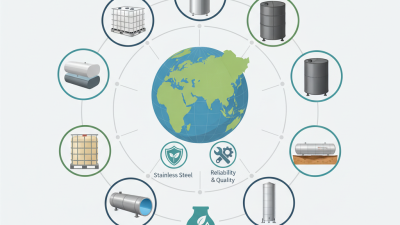
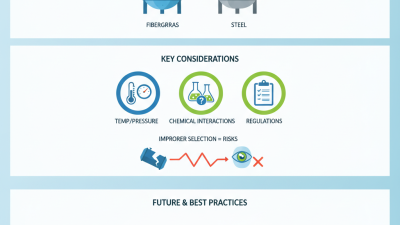
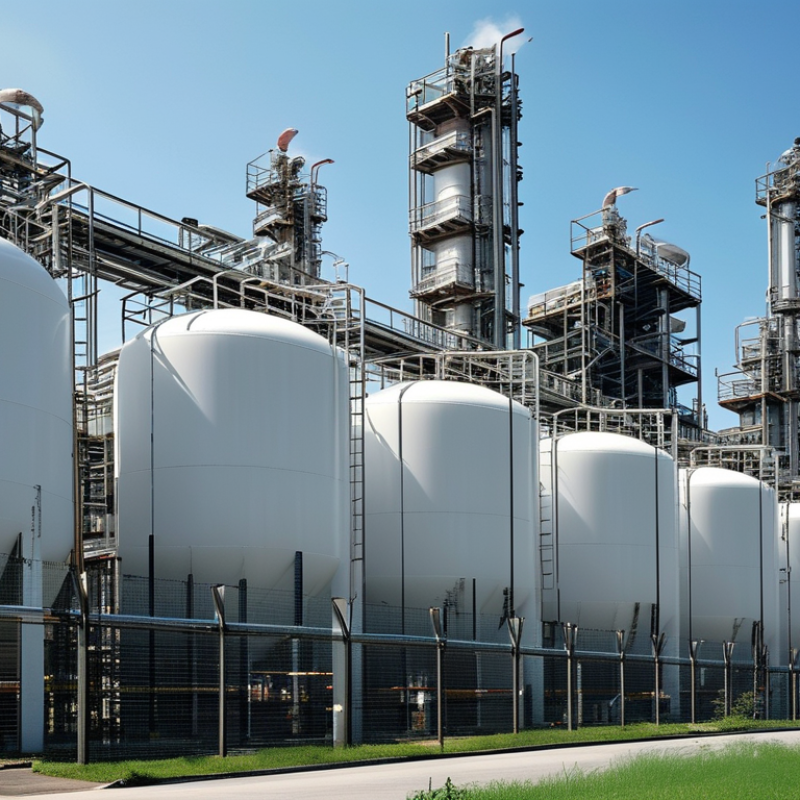
Chemical storage tanks are crucial in various industries, requiring careful selection based on materials and types. Understanding the available options helps ensure safety and efficiency. Common types include polyethylene, fiberglass, stainless steel, and carbon steel tanks. Each type presents unique advantages. For example, polyethylene tanks resist corrosion and are lightweight, ideal for smaller operations. Fiberglass tanks offer superior chemical resistance and longevity but can be costlier.
Material choice often influences the integrity of stored chemicals. Corrosive substances necessitate tanks made from robust materials. While stainless steel provides durability and resistance, it can be prone to rust without proper maintenance. Carbon steel offers strength but requires protective coatings to prevent deterioration, highlighting the importance of ongoing assessments.
Choosing the right tank also demands consideration of local regulations and standards. Buyers must reflect on their specific needs and potential limitations. Seeking advice from experts in chemical storage is essential. Each decision factors in safety, efficiency, and compliance with laws. Balancing these considerations can be challenging. However, taking time to analyze and select the appropriate tank type is vital for long-term success.
Key Factors in Selecting Chemical Storage Tanks
When selecting chemical storage tanks, understanding the material is crucial. Tanks made from high-quality materials like polyethylene, fiberglass, or stainless steel can significantly affect safety and durability. Each material has its benefits, so it’s vital to assess the specific chemicals being stored. For instance, corrosive materials require specialized coatings or lining. Ignoring this can lead to leaks or material degradation.
Beyond material choice, tank capacity and design are important. Buyers need to evaluate the required storage volume and the tank's dimensions. An awkwardly sized tank can create logistical challenges and safety hazards. Inadequate spacing can lead to problems during installation or maintenance. There’s also the issue of environmental factors that can impact the tank’s performance over time.
Regulatory compliance should not be overlooked. Different regions have unique guidelines for chemical storage. Failing to meet these regulations may result in fines or safety issues. While it’s tempting to prioritize cost, buying from a reputable source often pays off in reliability. A cheaper tank might seem appealing initially, but unforeseen damages or failures can lead to substantial losses.
Regulatory Compliance and Safety Standards for Chemical Tanks
When it comes to chemical storage tanks, regulatory compliance and safety standards are paramount. Different regions have specific regulations that dictate how these tanks should be designed, constructed, and maintained. Understanding and adhering to these standards can significantly mitigate risks associated with hazardous chemicals. Regular inspections and adherence to guidelines can prevent devastating accidents.
Compliance with safety regulations can be tricky. It is essential to stay updated on laws that govern chemical storage. Documentation is key. Keep thorough records of inspections and maintenance schedules. Train employees regularly to foster awareness about safety standards. Incorporate simulations to create familiarity with emergency procedures.
Evaluate the materials used for construction. Some chemicals require specific tank materials to prevent reactions. Consider double-walled tanks for added security. While these may have higher upfront costs, they can prevent leaks and long-term expenses due to compliance failures. Reflecting on past incidents within the industry can provide valuable lessons. Always think critically about the chosen solutions. Prioritizing safety now can save costs and lives in the future.
Innovative Technologies in Chemical Storage Solutions
Innovative technologies in chemical storage solutions are transforming how industries manage hazardous materials. According to a report by Research and Markets, the global market for chemical storage tanks is projected to grow at a CAGR of 4.8% from 2022 to 2030. This growth is driven by the need for safer and more efficient storage methods.
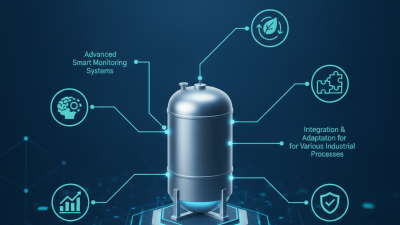
Advanced materials like polyethylene and fiberglass are increasingly preferred for their durability and resistance to corrosion. These materials significantly enhance the lifespan of storage tanks, reducing maintenance costs. The introduction of smart monitoring systems adds another layer of safety. Sensors can track temperature and pressure changes, providing real-time data to prevent leaks and contamination.
However, the integration of new technologies is not without challenges. The initial setup costs can be high. There's also a risk of data overload; without proper analytics, businesses may struggle to interpret sensor readings effectively. As industries adapt, the focus must remain on training personnel to understand and utilize these systems fully. Investing in education will help in maximizing the benefits of these innovative solutions.
Global Trends in Chemical Storage Tank Market Expansion
The global chemical storage tank market is evolving rapidly. With increasing regulations and safety standards, companies are seeking solutions that emphasize reliability and efficiency. Innovations in materials and design are driving this change. Tanks made from advanced composites show promise in durability and resistance to corrosive substances. These innovations aim to reduce environmental impact while enhancing safety.
Emerging markets contribute significantly to this trend. As industries in Asia and Africa expand, the demand for safe chemical storage rises. Companies are investing in larger and more sophisticated tanks. However, regional challenges exist. In some areas, infrastructure can lag behind technological advancements. Moreover, the need for consistent maintenance practices is often overlooked, leading to potential risks.
Another aspect gaining attention is sustainability. The market is gradually shifting towards eco-friendly solutions. Buyers are now prioritizing tanks that minimize waste and maximize energy efficiency. Nonetheless, manufacturers must ensure these green technologies do not compromise safety. Balancing environmental concerns with practical demands remains a critical challenge in the industry.
Best Chemical Storage Tank Solutions for Global Buyers
| Region |
Market Size (USD Million) |
Growth Rate (%) |
Key Driver |
Tank Type |
| North America |
1200 |
5.5 |
Rising Demand for Industry 4.0 |
Polyethylene |
| Europe |
1500 |
4.8 |
Regulatory Compliance |
Fiberglass |
| Asia Pacific |
2000 |
7.0 |
Increased Chemical Production |
Steel |
| Latin America |
800 |
3.2 |
Infrastructure Investment |
Stainless Steel |
| Middle East & Africa |
400 |
2.5 |
Oil and Gas Sector Growth |
Concrete |