Top 10 Chemical Storage Tank Options for Global Buyers?
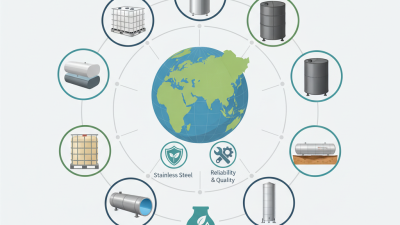
When it comes to storing chemicals, selecting the right tank is crucial. A Chemical Storage Tank must meet various safety and quality standards. This decision can affect operations, safety, and compliance. Understanding the options available can be overwhelming. There is a wide range, from steel to polyethylene tanks. Each type serves different needs and offers unique benefits.
In today’s global market, buyers face specific challenges. Regional regulations differ, impacting tank design and material choice. Moreover, fluctuating safety standards make it vital to stay informed. Expertise in choosing the right Chemical Storage Tank can prevent costly mistakes. Reliability in storage solutions ensures that businesses operate smoothly.
Purchasing decisions should not be rushed. Evaluating options thoroughly is essential. Potential flaws in storage design can lead to significant risks. Buyers must reflect on the material, size, and application. This awareness can save time and money in the long run.
Top Trends in Chemical Storage Tank Design for 2023
In 2023, the design of chemical storage tanks has evolved significantly. One major trend is the focus on sustainability. Manufacturers are integrating eco-friendly materials to reduce environmental impact. These materials are often lighter and more resistant. Such innovations can lead to longer tank life and lower maintenance costs.
Another prominent trend is the incorporation of smart technology. Many new designs feature sensors that monitor temperature and pressure. This real-time data helps ensure safer storage conditions. However, reliance on technology also raises questions. What happens if systems fail? Regular checks and balances are needed to maintain safety.
Finally, flexibility in size and design is becoming crucial. Businesses seek tanks that fit specific needs. Customization options allow for better space utilization. Yet, these tailored solutions can increase costs and complexity. Buyers must weigh the benefits against budget constraints. The evolution of storage tank design is promising, yet challenges remain.
Top 10 Chemical Storage Tank Options for Global Buyers - Top Trends in Chemical Storage Tank Design for 2023
| Tank Type |
Material |
Capacity (Liters) |
Temperature Range (°C) |
Cost Estimate (USD) |
| Vertical Tank |
Carbon Steel |
1,000 |
-20 to 50 |
5,000 - 7,000 |
| Horizontal Tank |
Stainless Steel |
2,500 |
-10 to 60 |
8,000 - 10,000 |
| Double-Wall Tank |
Fiberglass |
3,000 |
-30 to 40 |
10,000 - 15,000 |
| IBC Tank |
Plastic |
1,000 |
0 to 60 |
1,000 - 1,500 |
| Cryogenic Tank |
Aluminum |
2,000 |
-196 to -40 |
30,000 - 40,000 |
| Pressurized Tank |
Carbon Steel |
5,000 |
-20 to 70 |
20,000 - 30,000 |
| Underground Tank |
Fiberglass |
3,500 |
-10 to 50 |
15,000 - 25,000 |
| Modular Tank |
Steel |
2,200 |
-20 to 60 |
12,000 - 18,000 |
| Custom Tank |
Various |
N/A |
Custom |
Varies |
| Tank with Secondary Containment |
Plastic |
1,500 |
0 to 50 |
3,000 - 4,500 |
Key Materials Used in Chemical Storage Tanks and Their Properties
When choosing a chemical storage tank, selecting the right material is crucial. Common materials include polyethylene, fiberglass, carbon steel, and stainless steel. Each material offers unique properties that influence performance and durability. Polyethylene is lightweight and resistant to corrosion. It is an ideal choice for smaller tanks storing non-hazardous chemicals. However, it may not withstand high temperatures.
Fiberglass tanks provide excellent resistance to a wide range of chemicals. They can handle corrosive substances but require careful installation. Carbon steel is strong and cost-effective, yet it can rust over time without proper coating. Stainless steel is versatile and durable, making it a popular option for diverse chemical storage needs. The challenge lies in its higher cost and the necessity for maintenance.
Different applications may demand specific materials. Users often overlook the importance of compatibility with the stored chemicals. This oversight can lead to leaks or tank failure. Regular inspections are essential to ensure the integrity of storage tanks, regardless of the material used. Choosing the right tank material is not entirely straightforward. It requires careful consideration of both chemical properties and environmental conditions.
Safety Standards and Regulations for Chemical Storage Tanks Globally
When it comes to chemical storage tanks, safety is paramount.
Different regions have unique regulations. Many countries align with international standards, yet local laws can vary significantly.
Compliance with these standards protects workers and the environment. Knowing the specifics is crucial for global buyers.
Common safety protocols include regular inspections. These ensure that tanks remain leak-proof and structurally sound. Moreover, training for employees in handling chemicals is essential. Workers must understand potential hazards and proper response actions. This includes understanding material compatibility to prevent dangerous reactions.
Some manufacturers prioritize design features that enhance safety. For instance, tanks may include secondary containment systems.
These systems catch potential leaks, reducing environmental impact. However, not all options meet rigorous standards.
Buyers must conduct thorough research to identify the best choices. It is vital to weigh safety against costs and functionalities, as some "cheaper" options may lack vital safety features.
Cost Analysis: Choosing the Right Chemical Storage Tank for Your Needs
Choosing the right chemical storage tank requires careful consideration of costs and needs.
Various types of tanks are available, each with unique financial implications. Consider factors such as material,
capacity, and regulatory compliance. For instance, stainless steel tanks are durable but may come
with higher initial costs. Fiberglass tanks, on the other hand, can be lighter
and often more affordable, but might require more maintenance.
It’s essential to analyze the long-term implications of your investment.
A cheaper tank might save money upfront but can lead to more frequent replacements or repairs. Additionally, think
about the total cost of ownership. This includes installation, maintenance, and potential
downtime. Evaluating all these aspects can seem overwhelming, but understanding the nuances can lead to better financial decisions.
Price isn't everything; quality and reliability should guide your choices as well.
Global Market Overview: Leading Manufacturers of Chemical Storage Tanks
The global market for chemical storage tanks is diverse and rapidly evolving. Various manufacturers are contributing to a wide range of needs. These tanks vary in materials, capacity, and design. Choosing the right option requires careful consideration. Each type has its benefits and drawbacks. Understanding these nuances is crucial for buyers.
Leading manufacturers focus on safety and compliance. They adhere to strict regulations to ensure their products are reliable. Several innovative designs have emerged, enhancing safety and durability. Buyers must assess their specific requirements, such as the chemicals being stored. Not all tanks suit every substance. Some materials may degrade over time, posing risks.
Additionally, market demands fluctuate. This impacts availability and pricing. Buyers should remain aware of these trends. Quality and reliability are paramount. A cheaper option might not always be the best choice. Reflecting on the long-term implications is essential. Making informed decisions can lead to better outcomes in chemical storage management.
Top 10 Chemical Storage Tank Options for Global Buyers