China Best Alcohol Recovery Tower for Global Buyers?
Choosing the China Best Alcohol Recovery Tower for Global Buyers requires more than comparing prices or polished brochures. Buyers should examine separation performance, material quality, energy demand, documentation, and supplier support. An Alcohol Recovery Tower must match the feed composition, operating temperature, required purity, and available utilities.
Distillation specialist Philip C. Wankat states, “Distillation is the most widely used separation process in the chemical industry.” This principle remains practical for modern recovery systems. In a well-designed tower, trays or packing create repeated vapor-liquid contact. A stainless-steel column may rise several meters above the factory floor, with insulated pipes carrying heated feed and condensed product. Small design choices matter.
Look closely.
For global projects, experienced suppliers should provide flow diagrams, heat-balance data, pressure ratings, weld records, inspection reports, and operating guidance. Food, pharmaceutical, and industrial applications may require different materials and validation practices. Buyers should also confirm conformity with applicable local safety, environmental, and pressure-equipment requirements.
A low purchase price can conceal higher steam consumption, difficult cleaning, or weak after-sales service. Some suppliers describe recovery rates without explaining feed conditions. That comparison is incomplete. Even an efficient Alcohol Recovery Tower may underperform when the feed changes or operators lack training.
China offers capable manufacturers, but “best” depends on verified engineering evidence. Site visits, reference projects, factory acceptance testing, and realistic performance guarantees can reduce uncertainty. No tower is perfect. A careful buyer should challenge optimistic figures and leave room for improvement.
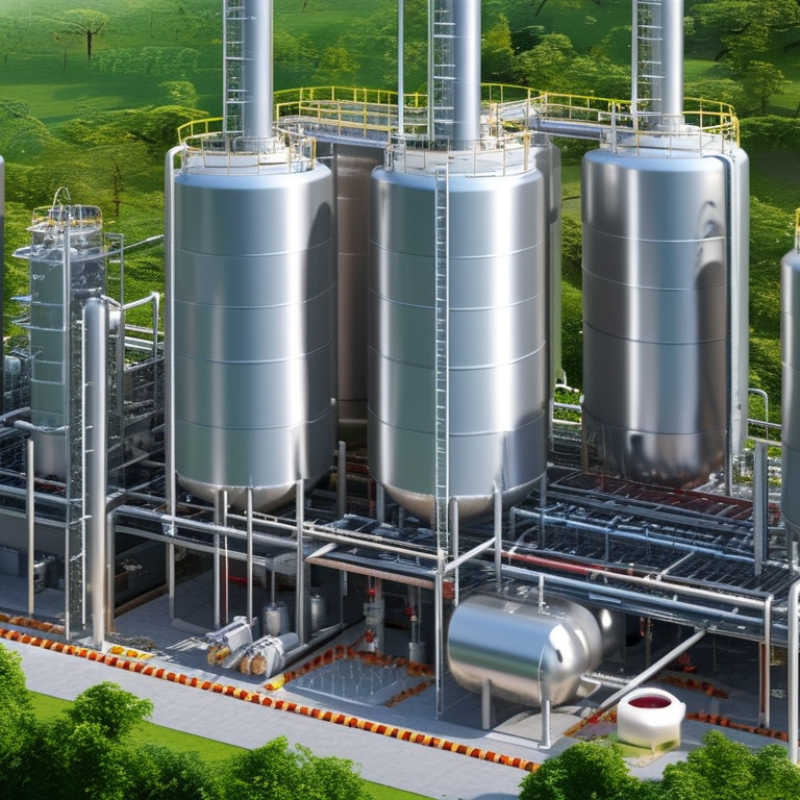
What Is an Alcohol Recovery Tower?
China Best Alcohol Recovery Tower for Global Buyers?
What Is an Alcohol Recovery Tower?
An alcohol recovery tower is a vertical process vessel that separates alcohol from water and other liquid components. It uses controlled heating, vapor movement, condensation, and reflux. Inside the tower, trays or packing create repeated contact between rising vapor and falling liquid. This contact improves separation efficiency.
A typical system includes a reboiler, column body, condenser, reflux line, temperature sensors, pressure controls, and collection tanks. The reboiler supplies heat at the bottom. Alcohol-rich vapor rises through the column, while heavier liquid flows downward. The condenser cools the vapor into a collected liquid. Operators adjust reflux and temperature to maintain stable performance.
In practical operation, small changes matter. A blocked packing section can increase pressure quickly. Poor insulation may waste heat and reduce recovery. I have found that clear inspection points help technicians identify foaming, uneven flow, or liquid carryover earlier. However, recovery results depend on feed composition, equipment design, and operating discipline. No tower performs perfectly under every condition.
For global buyers, material selection and documentation deserve close attention. Stainless steel construction often supports hygiene and corrosion resistance, but the correct grade depends on the process. Buyers should review pressure ratings, weld quality, control logic, maintenance access, and applicable local requirements. A recovery tower is not simply a tall tank. It is a carefully balanced separation system that requires testing, training, and responsible operation.
How Does an Alcohol Recovery Tower Work?
An alcohol recovery tower separates reusable alcohol from water and other less-volatile materials through controlled distillation. A heated feed enters the tower near its middle section. The reboiler supplies heat from below, creating alcohol-rich vapor. This vapor rises through trays or structured packing. Liquid flows downward, creating repeated contact between vapor and liquid. That contact improves separation.
At the top, a condenser cools the vapor into liquid. Part returns as reflux, while the remaining portion becomes the recovered product. A temperature and pressure profile helps operators monitor tower performance. In practical operation, reflux rate, feed temperature, and heating duty must stay balanced. Small changes matter. Excessive heat can increase energy use and reduce stability. Insufficient heat may leave valuable alcohol in the bottom stream.
Global buyers should match the tower design with feed composition, target purity, throughput, and available utilities. Stainless steel construction may support hygienic and corrosion-conscious applications, but material selection still requires technical review. Proper instruments, pressure protection, inspection records, and operating procedures support reliable use. Experienced engineers usually test actual feed data before confirming capacity. A calculated design can still underperform when feed conditions vary. That limitation deserves honest attention. Clearance for maintenance also matters, because blocked packing or fouled heat-transfer surfaces can quietly reduce recovery efficiency.
Which Design Features Matter to Global Buyers?
China Best Alcohol Recovery Tower for Global Buyers?
Global buyers usually judge an alcohol recovery tower by its design, not its appearance. The column should use corrosion-resistant stainless steel for stable, hygienic operation. Smooth internal surfaces reduce residue and simplify cleaning. That matters in plants with frequent product changes. The structure must also support trays or packing suited to the process load. One arrangement rarely fits every feed mixture.
Energy efficiency is another serious design concern. A well-designed reboiler and condenser can reduce steam and cooling-water demand. Heat recovery may improve operating costs further. However, savings should be verified through process data, not attractive estimates. Variable-speed pumps and clear temperature sensors help operators respond to changing conditions. Simple controls are often safer than complicated screens.
Global projects also need practical engineering details. Modular sections can reduce shipping difficulty and installation time. Reinforced supports matter when the tower travels across long distances. Buyers should request drawings, material certificates, pressure-test records, and maintenance instructions. Remote monitoring can help, but local manual controls should remain available. No design is perfect. I have seen efficient towers lose value because spare parts were difficult to source. Drain points, inspection ports, safe access platforms, and replaceable seals deserve equal attention. Electrical components should match the destination’s power system and industrial requirements. Independent inspection may add time, yet it can reveal weak welds or incomplete documentation before delivery.
How to Compare Chinese Alcohol Recovery Tower Suppliers
China Best Alcohol Recovery Tower for Global Buyers?
How to Compare Chinese Alcohol Recovery Tower Suppliers
Comparing Chinese alcohol recovery tower suppliers requires more than checking quotation prices. Start with the design basis: feed composition, ethanol concentration, throughput, operating pressure, target purity, and available cooling water. Request a heat and material balance for each proposal. IEA’s Energy Efficiency 2023 report states that industry consumed about 37% of global final energy in 2022. Therefore, steam consumption deserves close attention. Ask suppliers to provide kilograms of steam per kilogram of recovered alcohol.
Ask for proof.
A reliable supplier should show pilot-test records, weld inspection procedures, material certificates, and documented factory acceptance testing. Stainless steel grade, surface finish, packing type, and tray efficiency can strongly affect long-term performance. The U.S. Department of Energy’s manufacturing energy assessments identify process heating as a major industrial energy user. A tower with a lower purchase price may create higher operating costs through poor insulation or unstable control.
Review engineering depth, not only production photos. Check whether the supplier can model flooding, foaming, pressure drop, and heat integration. Request references for similar feed conditions, while protecting confidential customer information. I have seen buyers compare recovery percentages without checking measurement methods. That comparison can mislead. Require a shared test standard, calibrated instruments, and clear warranty limits. Also examine commissioning support, spare-parts availability, electrical compatibility, and operator training. The best evaluation is rarely perfect; feed quality changes, and early assumptions may need revision.
How to Compare Chinese Alcohol Recovery Tower Suppliers
Use these preliminary engineering reference ranges to compare supplier proposals. Feed concentration, product purity, recovery rate, materials, and documentation should be verified against the actual process design, applicable standards, and factory test records.
The ranges represent common preliminary design benchmarks for ethanol-water recovery systems rather than performance claims from any specific company or brand. A qualified supplier should provide a mass balance, heat and utility calculation, material certificates, pressure and temperature design data, and acceptance-test criteria.
What Standards Apply to International Purchasing?
China Best Alcohol Recovery Tower for Global Buyers?
What Standards Apply to International Purchasing?
An alcohol recovery tower may look efficient in a catalog, but international purchasing requires stronger evidence. Buyers should request design pressure, operating temperature, capacity, and energy consumption data. A pressure vessel dossier should include material certificates, welding procedures, welder qualifications, and inspection records. Good evidence beats confident claims.
The applicable standard depends on the destination and the tower’s risk category. ASME Section VIII may be requested for pressure equipment projects in some markets. European installations may require PED conformity and properly prepared technical documentation. Local codes can add seismic, electrical, fire-safety, and workplace requirements. Ask whether stainless-steel contact surfaces match the intended process and cleaning method. Do not assume. A certificate alone may not prove complete compliance. A small documentation gap can delay customs clearance or site installation.
Tips: Confirm the buyer’s country requirements before finalizing the design. Request drawings, data sheets, test plans, and inspection points early. Consider a factory acceptance test with pressure, leakage, control, and performance checks. Keep serial numbers consistent across the nameplate, certificates, packing list, and inspection report. I would also verify spare-part compatibility, because overlooked details often create expensive downtime. When specifications remain unclear, an independent engineer should review the package before shipment.