Top Tips for Choosing the Right Cold Storage Tank?
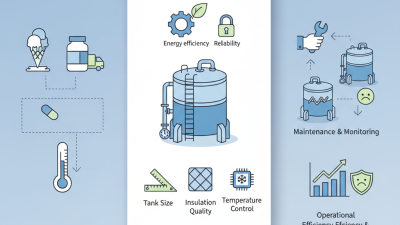
Choosing the right Cold Storage Tank is crucial for many industries. These tanks preserve temperature-sensitive products like food, pharmaceuticals, and chemicals. Selecting an appropriate storage solution is not just about size. It involves various factors that directly impact efficiency and safety.
Understanding your needs is essential. You must consider the volume of goods to store and the desired temperature range. Materials and insulation quality also play a significant role. A reliable Cold Storage Tank should prevent temperature fluctuations, ensuring product integrity. Sometimes, it may be challenging to determine the best options.
Incorporate expert advice to navigate these complexities. Consulting with industry professionals can guide you in making an informed decision. Remember, investing in quality pays off over time. A well-chosen Cold Storage Tank can enhance operations and reduce risks. Reflecting on past choices can help avoid future mistakes.
Understanding Different Types of Cold Storage Tanks Available
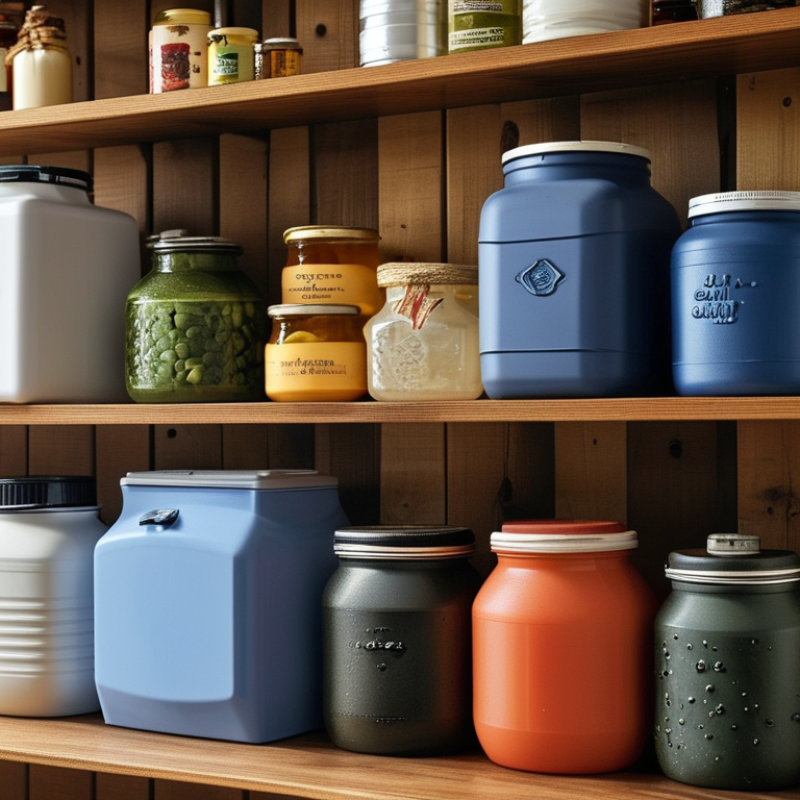
When selecting a cold storage tank, understanding the various types is crucial. The two main categories are upright tanks and horizontal tanks.
Upright tanks are often more space-efficient. They provide better stacking options. These tanks can handle large volumes, but their access can be challenging. In contrast, horizontal tanks offer easier loading and unloading but can require more floor space.
Research from industry reports shows that the demand for cold storage solutions is increasing. By 2027, the global cold chain market is expected to reach $610 billion. This growth indicates a rising need for efficient storage options, making the type of tank you choose vital. Insulation materials also play a crucial role in performance. High-quality insulation can reduce energy costs significantly. Some facilities may overlook this aspect, leading to wasted energy and increased operational costs.
Temperature control is another critical factor. Tanks equipped with advanced monitoring systems ensure that products remain within safe temperature ranges. However, not all tanks come with such systems pre-installed. Investing in a tank without these features may lead to product spoilage. Understanding these options and their implications can help facilities optimize performance and maintain product integrity in cold storage environments.
Key Factors to Consider When Selecting a Cold Storage Tank
When selecting a cold storage tank, consider the capacity you need. This will depend on the volume of goods you plan to store. Assess the dimensions of your space as well. A tank that's too large may not fit, while one that is too small won't meet your needs.
Temperature control is crucial. Ensure the tank can maintain the required temperature for your products. Look at the insulation materials used. They can affect both efficiency and energy consumption. Energy costs can quickly escalate if insulation is inadequate.
Don't overlook maintenance requirements. Some tanks need more upkeep than others. Repairing or replacing parts can be costly if you're not prepared. Checking user reviews can provide insight into reliability and performance, but individuals may have varied experiences. Balancing cost with quality is essential in this decision. Each tank represents an investment that requires thoughtful consideration.
Assessing the Required Capacity for Your Cold Storage Needs
When selecting a cold storage tank, capacity assessment is crucial. It directly impacts operational efficiency. According to industry reports, 70% of businesses underestimate their storage needs. This can lead to spoilage and increased costs.
Consider your specific requirements. Research indicates that the average facility requires 15-20% more capacity than initially planned. Businesses often face fluctuations in demand. Seasonal changes can double storage needs. Therefore, plan for upcoming trends and potential expansions.
Empty space can waste resources, but overcrowding can spoil products. Striking the right balance is essential. A tank that is too small can disrupt operations, while an oversized one incurs higher maintenance costs. Assess projected volumes carefully. Using data analytics for warehouse flow can refine your capacity assessment. But always account for potential errors in forecasting. This is a balancing act that requires ongoing evaluation.
Materials and Insulation Options for Cold Storage Tanks
When choosing materials for cold storage tanks, flexibility is crucial. Different materials offer unique benefits. Stainless steel is a popular option due to its durability and resistance to corrosion. It maintains temperature effectively, but it is costly.
Fiberglass is another good choice. It provides excellent insulation and is lightweight. However, it may not withstand heavy impacts as well as metal. Consider polystyrene, which is economical and energy-efficient. Yet, it can wear down under certain conditions.
Insulation plays a vital role in maintaining optimal temperatures. Spray foam insulation offers superior energy efficiency. It fills gaps and creates an airtight seal. On the downside, it may be challenging to install properly. Rigid foam panels are easier to handle but might have thermal bridging issues.
Evaluating these options can be tricky. Each has pros and cons, and the choice depends on specific needs. Consider budgets, environmental factors, and intended use. Create a holistic plan before making a decision. This way, you can improve reliability and efficiency in your cold storage solutions.
Maintenance and Regulatory Compliance for Cold Storage Systems
When it comes to cold storage systems, maintenance is key. Regular inspections help prevent costly failures. According to a recent report from the International Institute of Refrigeration, proper maintenance can extend a tank's lifespan by 30%. Checking for leaks, pressure levels, and temperature consistency is essential. Even minor neglect can lead to significant risks.
Regulatory compliance is another critical factor. The U.S. Department of Agriculture sets strict guidelines for cold storage facilities. Meeting these standards is not optional. Failure to comply can result in hefty fines or shutdowns. Research shows that facilities adhering to regulations enhance their operational efficiency by at least 15%. Keeping up with these requirements protects your investment and ensures product safety.
Operators often underestimate training. Staff should be well-versed in system protocols. Inadequate training often leads to mistakes that compromise safety. According to a survey from the Refrigerated and Frozen Foods Association, 40% of compliance issues stem from staff errors. Addressing this gap is vital for reliable operations. Regular training and updates are crucial for enhancing knowledge in this evolving field.
Top Tips for Choosing the Right Cold Storage Tank
When choosing the right cold storage tank, consider factors such as temperature control, insulation quality, maintenance frequency, regulatory compliance, and energy efficiency. Each of these elements plays a crucial role in the functionality and reliability of the cold storage system.