How to Choose the Right Chemical Equipment for Your Industry Needs?
Choosing the right Chemical Equipment is critical for any industry. The selection process can be daunting. Many factors must be considered. Your specific needs and application types should drive your choice.
Quality and reliability are essential. Each piece of equipment plays a role in productivity and safety. Poor choices can lead to costly mistakes. It is vital to assess the equipment's performance history and user reviews. These factors lend authority to your decisions.
Remember, the right equipment is an investment. It may require initial costs but pays off over time. Be cautious of suppliers who prioritize sales over support. Ultimately, the goal is to enhance efficiency while ensuring safety in operations. Choose wisely and reflect on your choices to improve future decisions.
Understanding the Specific Requirements of Your Industry
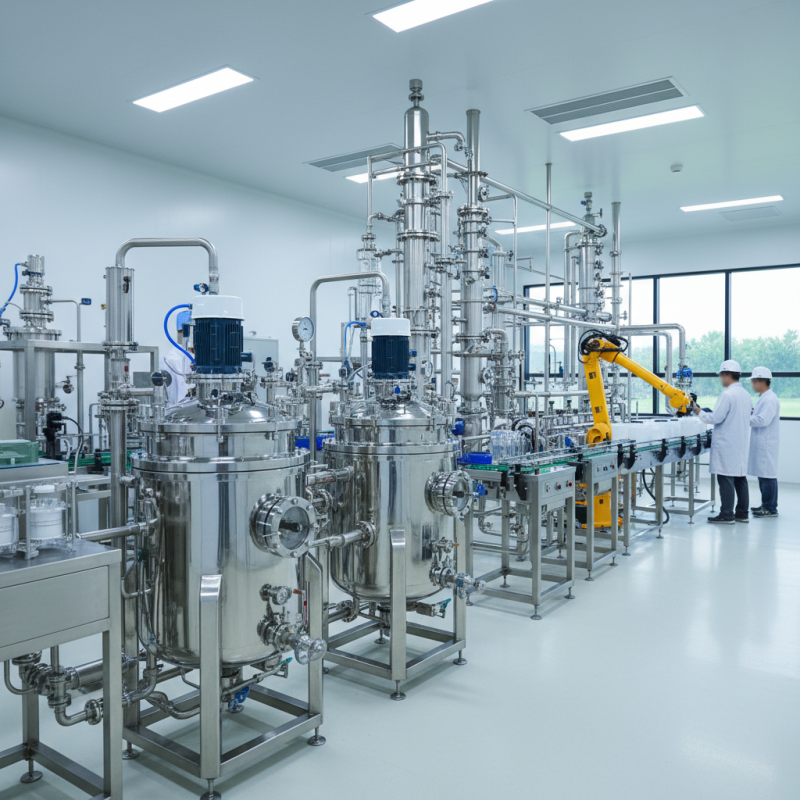
Choosing the right chemical equipment for your industry hinges on understanding specific requirements. Different sectors, such as pharmaceuticals, agriculture, and food processing, have unique operational demands. For example, the pharmaceutical industry requires precise temperature control and sterile environments. According to a 2022 report by the International Society for Pharmaceutical Engineering, over 75% of industry leaders highlighted the need for advanced automation in equipment to meet regulatory standards.
Equipment must align with your production scale and regulatory needs. For instance, food processing often involves strict hygiene standards. A recent FDA analysis indicated that 65% of food safety issues stem from improper equipment maintenance. Investing in high-quality, reliable machinery can mitigate these risks.
Tip: Always evaluate the equipment's compliance with industry regulations before purchase.
Your team should also consider ongoing training for operators. With evolving technology, continuous learning is crucial. A 2023 survey by the Chemical Industry Association noted that organizations with regular training reported a 40% decrease in equipment-related accidents.
Tip: Regularly update training programs to keep pace with advancements.
Focusing on these aspects can lead to better decision-making and improved efficiency.
Evaluating Types of Chemical Equipment Available in the Market
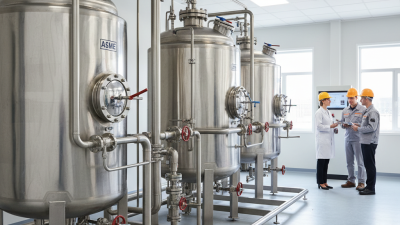
Choosing the right chemical equipment is crucial for operational success. Different industries require various types of equipment, such as
reactors, mixers, and separators. Each type serves a specific purpose.
A reactor, for example, facilitates chemical reactions. Meanwhile, a mixer ensures uniformity in product consistency.
When evaluating equipment, consider the specific needs of your processes. Look into the materials of construction. They must withstand the chemicals handled. This impacts durability and safety.
Think about capacity and efficiency as well. Overestimating needs might lead to unnecessary costs. Yet, underestimating could hamper production.
There is a wide range of equipment designs available. Each design has its advantages and drawbacks. Some might be more efficient but harder to maintain. Others are user-friendly but less versatile.
Understanding these nuances is essential. Consulting with industry experts or peers can provide valuable insights. They can share experiences from the field. Balancing theoretical knowledge with practical feedback
is key to making informed decisions.
Identifying Key Factors for Choosing Chemical Equipment
Choosing the right chemical equipment is crucial for any industry. It requires careful consideration of various factors. Begin by assessing your specific production needs. Analyze the materials you handle and the processes involved. This helps narrow down equipment options that are suitable for your operations.
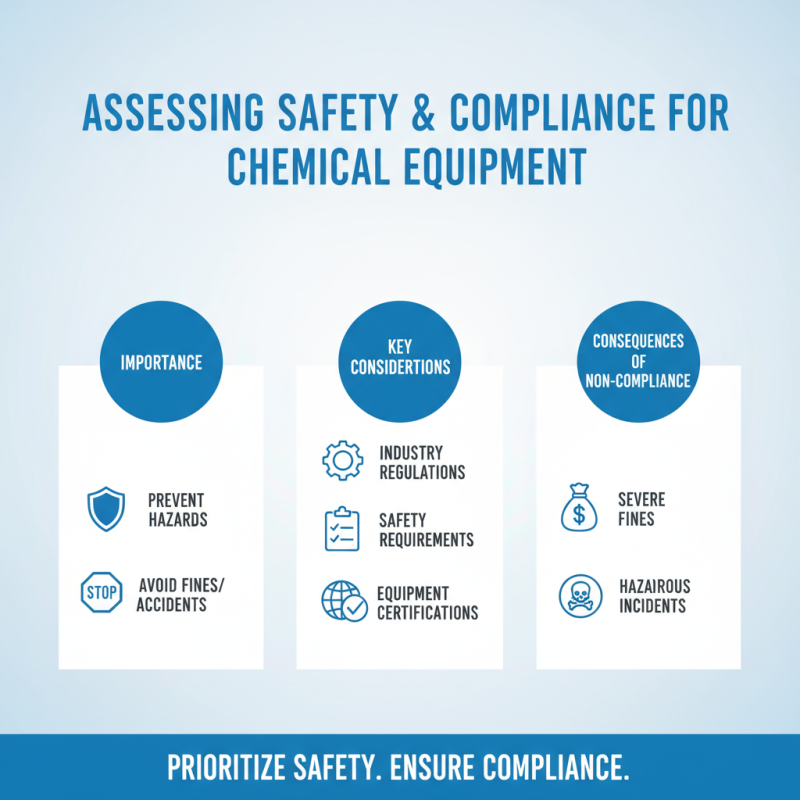
Next, evaluate compliance with safety and regulatory standards. Chemical equipment must meet regional regulations. Ignoring these aspects can lead to serious consequences. Consult with experts who understand your industry. Their experience can guide you in making informed decisions.
Consider the durability and maintenance of the equipment. Do not overlook the long-term costs associated with upkeep. Equipment that is expensive to maintain can strain your budget. Reflect on your past experiences. Have previous choices worked well? Learning from past mistakes can lead to better decisions now.
How to Choose the Right Chemical Equipment for Your Industry Needs? - Identifying Key Factors for Choosing Chemical Equipment
| Factor |
Description |
Importance Level (1-5) |
Example Equipment |
| Material Compatibility |
Ensure the equipment is compatible with the chemicals being processed. |
5 |
Stainless Steel Reactors |
| Capacity |
Select equipment that can handle the required production volume. |
4 |
Batch Process Tanks |
| Safety Features |
Look for built-in safety mechanisms to prevent accidents. |
5 |
Pressure Relief Valves |
| Energy Efficiency |
Evaluate equipment that minimizes energy consumption. |
4 |
High-Efficiency Pumps |
| Maintenance Requirements |
Consider the maintenance needs and costs associated with the equipment. |
3 |
Centrifuges |
Budgeting and Cost Considerations for Chemical Equipment Selection
When selecting chemical equipment, budgeting is crucial. Understanding your financial limits is essential. Set a clear budget that factors in initial costs and future maintenance. Equipment may appear affordable upfront, but hidden expenses can accumulate over time.
Consider intended use and production scale. For large-scale operations, it may be wise to invest more for quality. Alternatively, smaller businesses might prioritize cost over advanced features. However, this approach can lead to issues. Equipment that doesn't meet industry standards can result in operational inefficiencies and safety concerns.
It's also vital to assess warranties and service agreements. A lower initial cost often comes with reduced support. This can lead to costly repairs later. Reflect on the long-term impact of your choices. Investing in reliable equipment might save money eventually, despite a higher initial price. Always look for specifications that ensure durability and compliance with regulations.