10 Essential Tips for Safe Chemical Storage Tank Management
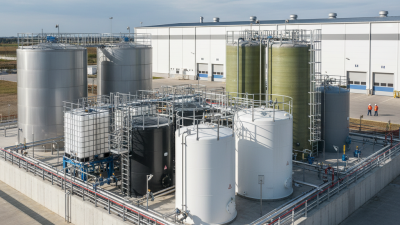
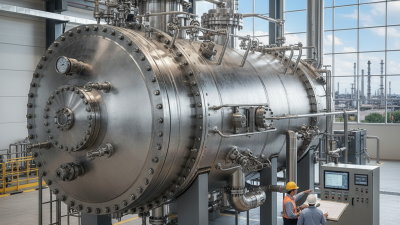
Chemical storage tanks play a critical role in industrial settings. Proper management of these tanks is essential for safety and environmental protection. Hazardous materials stored within these tanks can pose significant risks if not handled appropriately.
Inadequate storage practices can lead to spills, leaks, or even catastrophic failures. Businesses must prioritize chemical storage tank management to mitigate these risks. Regular inspections, proper labeling, and staff training are just a few vital components. It is important to establish comprehensive protocols and guidelines to maintain compliance with safety standards.
Understanding the importance of chemical storage tank management involves recognizing the complexities of chemical handling. Each facility may face unique challenges based on the types of chemicals stored and their specific properties. By implementing best practices, organizations can enhance safety and operational efficiency while minimizing potential hazards.

Understanding the Importance of Safe Chemical Storage Tank Management
Chemical storage tank management is crucial for safeguarding both people and the environment. According to the National Fire Protection Association (NFPA), improper storage and handling of chemicals contribute to 15% of industrial fires. Safe management reduces risks significantly. Tanks should be monitored regularly. Signs of corrosion or leaks can prevent disastrous spills.
Training staff is essential. A study by the Occupational Safety and Health Administration (OSHA) indicates that 80% of chemical-related incidents occur due to human error. Employees must understand proper protocols. Periodic drills can enhance preparedness. Documentation of safety procedures is key. It ensures compliance and accountability.
Additionally, having appropriate spill containment measures is vital. Inadequate containment can lead to significant environmental damage. The Environmental Protection Agency (EPA) reports that spills can cost companies millions in cleanup and fines. Regular inspections of containment systems help identify weaknesses. A proactive approach is always better than remediation after an incident.
10 Essential Tips for Safe Chemical Storage Tank Management
Regulatory Compliance: Key Standards for Chemical Storage Tanks
When managing chemical storage tanks, regulatory compliance is crucial. Understanding key standards helps in maintaining safety and environmental protection. Regulations may vary by location, but most share common goals. Facilities must follow guidelines from organizations that oversee chemical safety. This is essential for preventing accidents and ensuring worker safety.
Proper labeling is one requirement often overlooked. Each tank should clearly display its contents and hazard information. Failure to do so can lead to confusion and dangerous mishaps. Regular inspections are another critical aspect. Tanks should be checked for leaks, corrosion, and structural integrity. Neglecting this task could result in serious environmental damage.
Training staff on compliance standards is vital. Workers should understand what regulations are in place and their importance. Yet, many facilities lack comprehensive training programs. This gap can foster unsafe practices. Accountability is key; assigning roles for regulatory oversight is necessary. Recognizing areas for improvement can significantly enhance safety. The goal should always be proactive management rather than reactive measures.
Risk Assessment: Identifying Hazards in Chemical Storage
When managing chemical storage tanks, conducting a thorough risk assessment is crucial. Identifying hazards minimizes the potential for accidents. According to the National Fire Protection Association (NFPA), improper storage practices account for 30% of chemical incidents. Evaluating the environment around storage tanks is essential. Look for nearby ignition sources and assess structural integrity.
One tip for safe management is to regularly inspect tanks for leaks and structural damage. A small leak can escalate quickly, leading to catastrophic events. Another important step is to implement secondary containment systems. These systems help prevent spills and contain leaks, minimizing environmental impact.
Training staff plays a key role in risk assessment. The Occupational Safety and Health Administration (OSHA) reports that effective training reduces workplace incidents by 50%. Ensure that employees understand how to identify risks and respond appropriately. Encourage regular drills to reinforce safety protocols. Regularly updating hazard assessments is vital. The chemical landscape changes, and so must your risk management strategies.
Best Practices for Daily Monitoring and Inspection of Storage Tanks
Regular monitoring and inspection of chemical storage tanks are crucial for safety and compliance. Inspect tanks visually at least once a week. Look for signs of corrosion, leaks, or physical damage. Any unusual odor or discoloration needs immediate attention. Record these observations in a log for future reference.
Daily monitoring should include checking fluid levels. An unexpected drop may indicate a leak. Use calibrated gauges for accuracy. It's also vital to assess pressure and temperature if applicable. These readings help identify potential risks early. Keep an eye on environmental conditions, too; extreme weather can affect tank integrity.
Not every inspection reveals issues. It’s common to feel complacent over time. Regularly train staff to spot less obvious problems. Continuous education reinforces best practices. Documentation should be thorough and clear. Review records periodically to identify patterns or recurring issues. These insights can lead to improvements in tank management.
Emergency Preparedness: Developing Response Plans for Chemical Spills
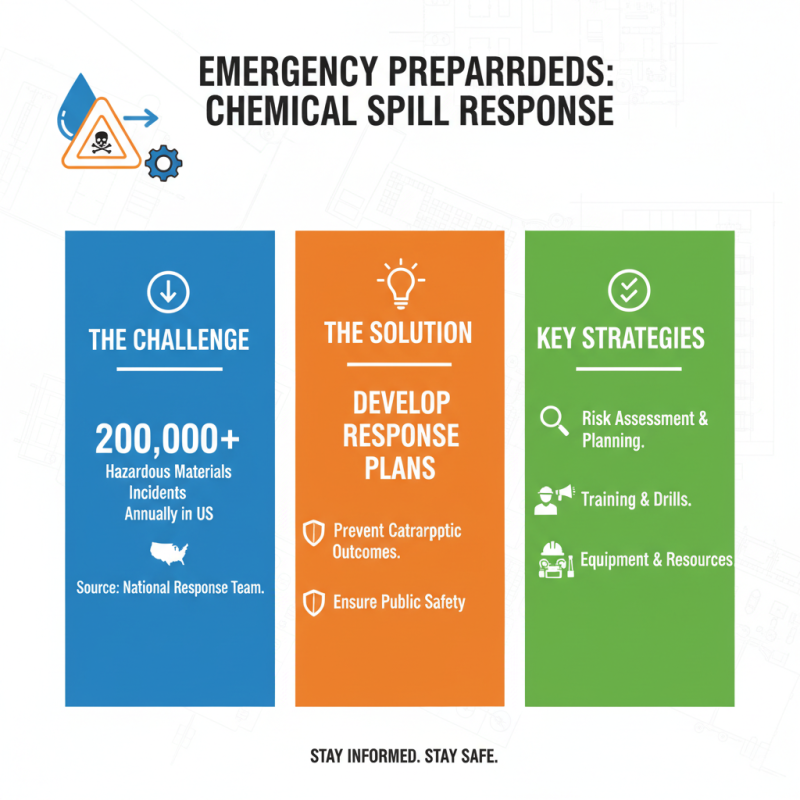
Emergency preparedness is crucial in managing chemical spills. Developing effective response plans helps prevent catastrophic outcomes. According to the National Response Team's guidance, over 200,000 hazardous materials incidents occur annually in the U.S., emphasizing the need for robust strategies.
An effective response plan includes training personnel, conducting drills, and identifying spill containment equipment. Regular training ensures that staff can act quickly during an emergency. Data from the Environmental Protection Agency shows that response times can affect the severity of a spill's impact. For instance, rapid action can reduce the contamination area significantly.
Furthermore, communication plays a vital role. It’s essential to establish clear channels for reporting spills. This can be a challenge in large facilities. Research highlights that nearly 30% of chemical facilities lack comprehensive spill response plans. Regular reviews and updates of these plans can bridge gaps. Businesses should not only rely on past procedures but continuously improve based on new findings. This proactive approach can lead to better preparedness during actual incidents.