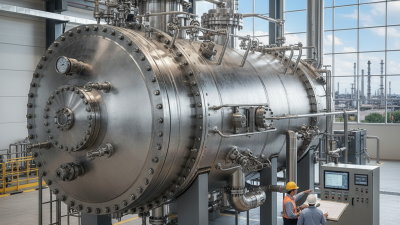
Choosing the right Cold Storage Tank is crucial for many industries. These tanks play a vital role in preserving perishable goods. According to a report by the International Institute of Refrigeration, the demand for cold storage solutions is projected to grow by 16% annually. This highlights the importance of selecting the appropriate tank for specific needs.
Expert Mark Thompson, a leading figure in the cold storage industry, states, "The right Cold Storage Tank can make or break your supply chain efficiency." His insights emphasize how selection impacts overall operational efficiency. Factors such as capacity, insulation, and energy consumption should be considered.
It's not just about choosing the biggest or most expensive option. There are many considerations involved, which can lead to misjudgments. Overestimating your storage needs often results in wasted resources. It's essential to evaluate factors carefully and make informed decisions.
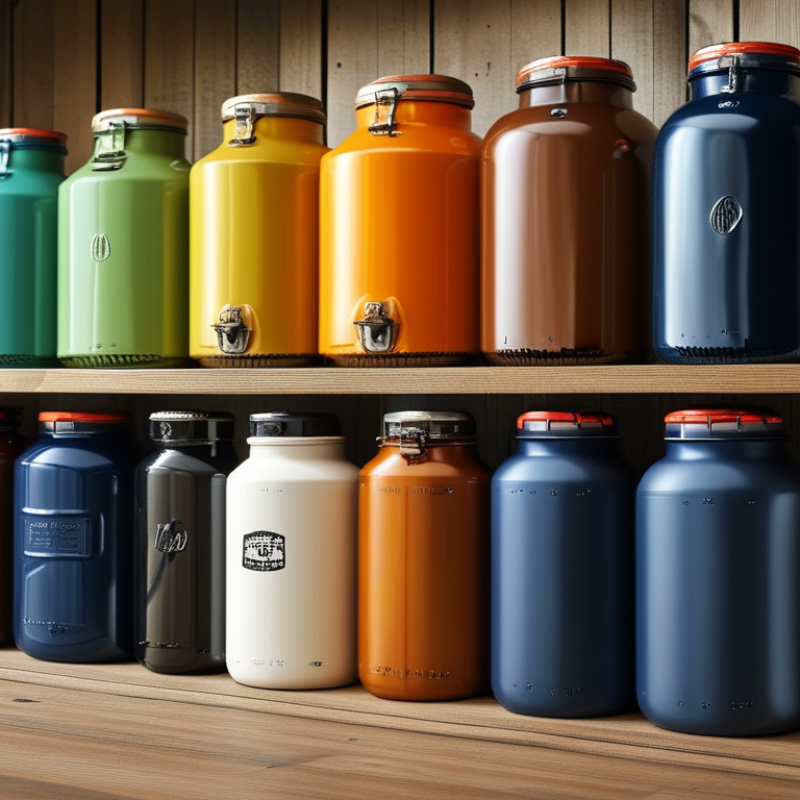
When selecting a cold storage tank, it’s essential to understand the different types available. Cold storage tanks primarily fall into two categories: vertical and horizontal tanks.
Vertical tanks save space and are commonly used in industrial settings. They allow easy access and efficient stacking. In contrast, horizontal tanks are ideal for larger volumes and facilitate easier loading and unloading processes. Their shape can also offer more stability on uneven ground.
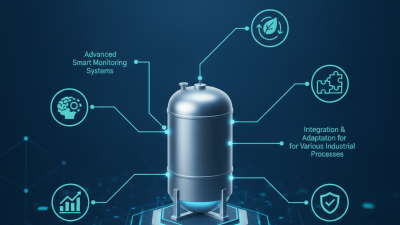
Temperature control is vital in cold storage. Insulated tanks can maintain lower temperatures with greater efficiency. Some models feature advanced monitoring systems, ensuring steady climate control. It’s worth noting that these systems may require regular maintenance. Neglecting this can lead to costly repairs. For specific needs, customized tanks may be a better option. They can include specialized shelving or temperature zones. You might find that pre-made tanks don’t fully meet your requirements. Exploring various options allows for better alignment with operational goals.
Consider factors like capacity and location when choosing your tank. If space is limited, height can be leveraged. On the flip side, larger facilities might benefit from multiple smaller tanks. Each option has its trade-offs, and knowing what works for you is crucial. This journey in selection will require careful consideration and possibly revisions along the way.

When choosing a cold storage tank, size and capacity are crucial. The tank must accommodate your projected inventory. Research indicates that businesses often underestimate their storage needs. For example, according to a 2021 industry report, 75% of food producers reported running out of storage space at peak times. This only highlights the need for accurate assessments.
Temperature control is another vital factor. Different products require specific temperature ranges to ensure safety and quality. For instance, perishable goods often require temperatures below 4°C (39°F). A 2022 survey found that 60% of companies wish they had better temperature regulation. It is essential to factor in the potential cost of product loss due to improper storage. Businesses must also consider ongoing maintenance and energy costs.
Making an informed choice involves understanding your unique needs. Many companies grapple with the right balance between size, capacity, and temperature control. Understanding industry benchmarks can help in the decision-making process. However, data continually changes. Periodically reviewing your storage and operational needs is essential for sustained success.
Selecting the right cold storage tank is crucial for preserving perishable goods. Several key features must be considered to ensure your tank meets your needs effectively. Begin by evaluating the tank's insulation quality. High-quality insulation can significantly reduce energy consumption and help maintain the required temperature. Look for tanks that use advanced insulation materials for better performance.
Next, consider the storage capacity. Too small of a tank may lead to overloading, resulting in temperature fluctuations. On the other hand, an oversized tank can waste energy. Assess your inventory needs carefully. It's essential to strike the right balance between available space and storage requirements.
Temperature control is another vital aspect. Some tanks offer advanced digital monitoring systems. This feature allows for precise temperature management. Additionally, check the tank's construction material. Stainless steel is a popular choice for its durability and resistance to corrosion. Reflect on these factors to make an informed choice. The right cold storage tank can enhance operational efficiency, but overlooking these details can lead to costly mistakes.
Choosing the right cold storage tank is crucial for maintaining product integrity. When evaluating material options, focus on durability and insulation efficiency. Metal tanks, like stainless steel, offer robust protection against corrosion and impact. They provide great thermal conductivity, which is essential for efficient temperature maintenance. On the other hand, insulated tanks made from polyurethane or other materials are excellent for long-term energy savings.
Tips: Consider the climate in your area. Colder regions may benefit from thicker insulation materials. Ensure you evaluate the tank's maintenance needs. A tank that requires frequent repairs may incur hidden costs over time. Furthermore, check for certifications that guarantee the material's effectiveness in temperature control.
Evaluate the tank's thermal performance. A well-insulated tank limits energy loss, reducing operational costs. Review user experiences regarding their performance over time. Collecting insights can help in making a more informed decision. Keeping these factors in mind will guide you toward a cold storage solution that fits your specific needs, ensuring reliable performance and durability.
When planning for cold storage, cost considerations are critical. Start by determining your budget and the specific needs of your business. Analyze the size, type, and features you require. A walk-in cooler may sound appealing, but can you afford the additional costs? Maintenance also adds to the overall expenditure.
Energy efficiency plays an essential role in budgeting. Investing in units with better energy ratings can save money over time. Think about installation costs, which often vary significantly. Some tanks require special setups, leading to unexpected expenses. Always include these factors in your calculations.
Don't forget about potential expansion. Does your business plan to grow? If so, a modular tank might provide the best value long-term. A flexible solution can adapt to changing needs, even if it seems more costly upfront. Regular reviews of your cold storage strategy can help identify oversights and align your spending with business goals.